An ice cream franchise website launch on a tight schedule & budget still thought big

Look Ma, I Built That
The first digital footprint for an emerging ice-cream franchise startup utilized high-impact motion to disrupt a market saturated with "bare-minimum" template sites. Built on a lean startup budget during a 60-day sprint, the MVP uses a zero-maintenance architecture that successfully climbed local search rankings.
And so it Begins
Customers urgency defined the strategy—a 60-day sprint to secure the digital pole position before the season's peak. As a solo freelance hustle on a startup budget, the approach required a calculated MVP: prioritizing immersive frontend motion and aggressive SEO visibility over resource-heavy backend features. This trade-off ensured the brand dominated local search results while maintaining a high-fidelity visual experience.

Wait, how did I get here?
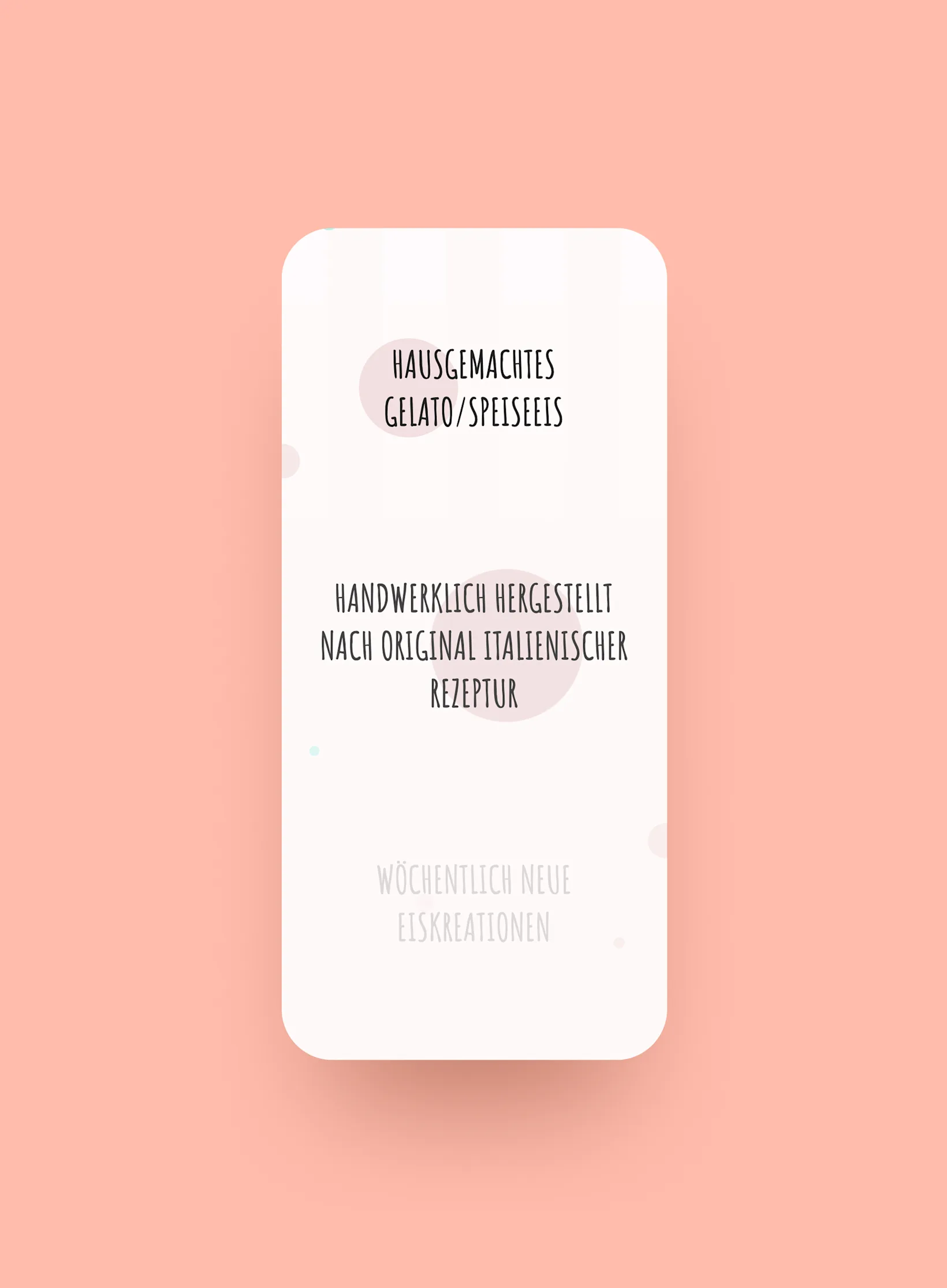
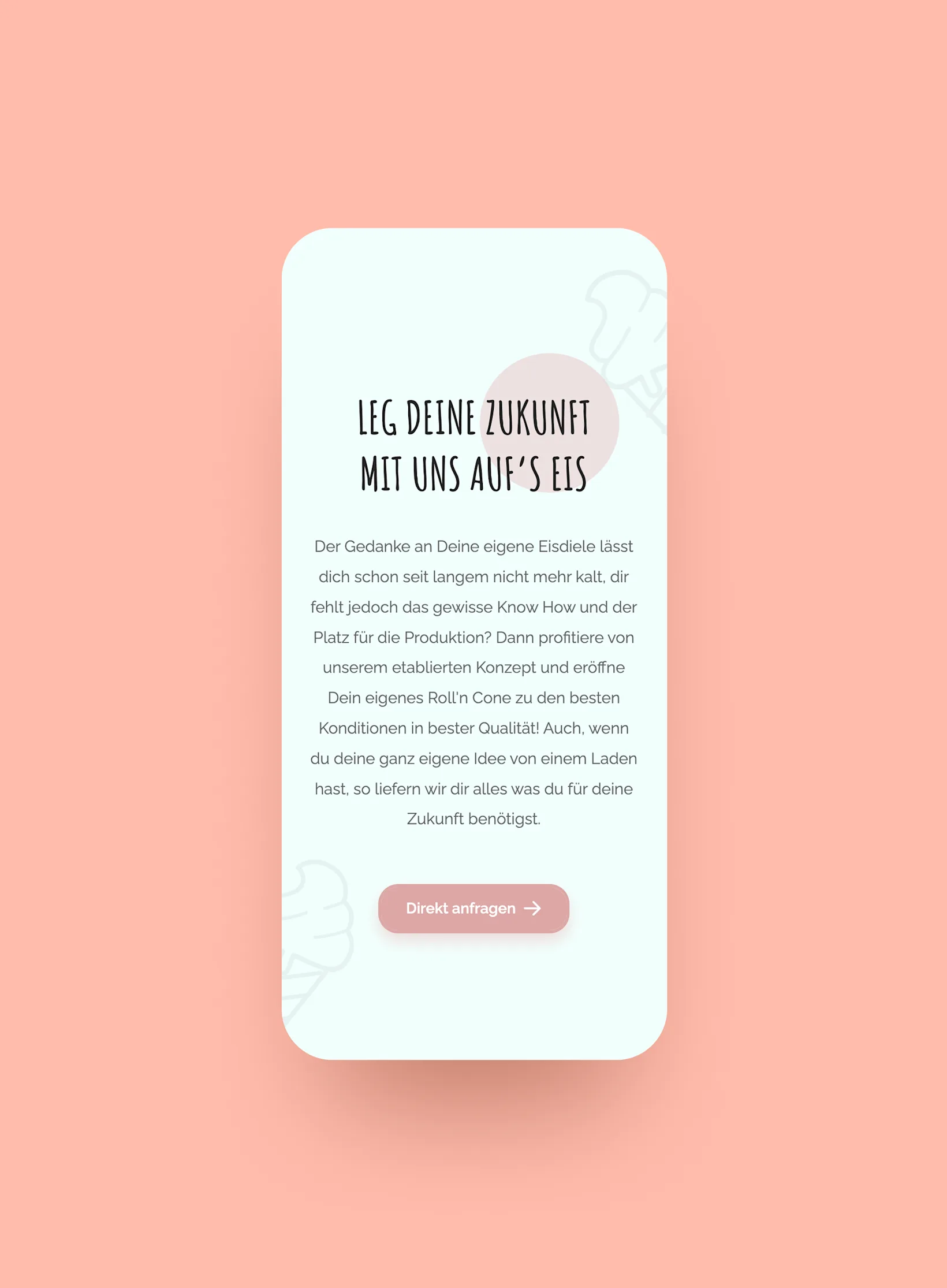
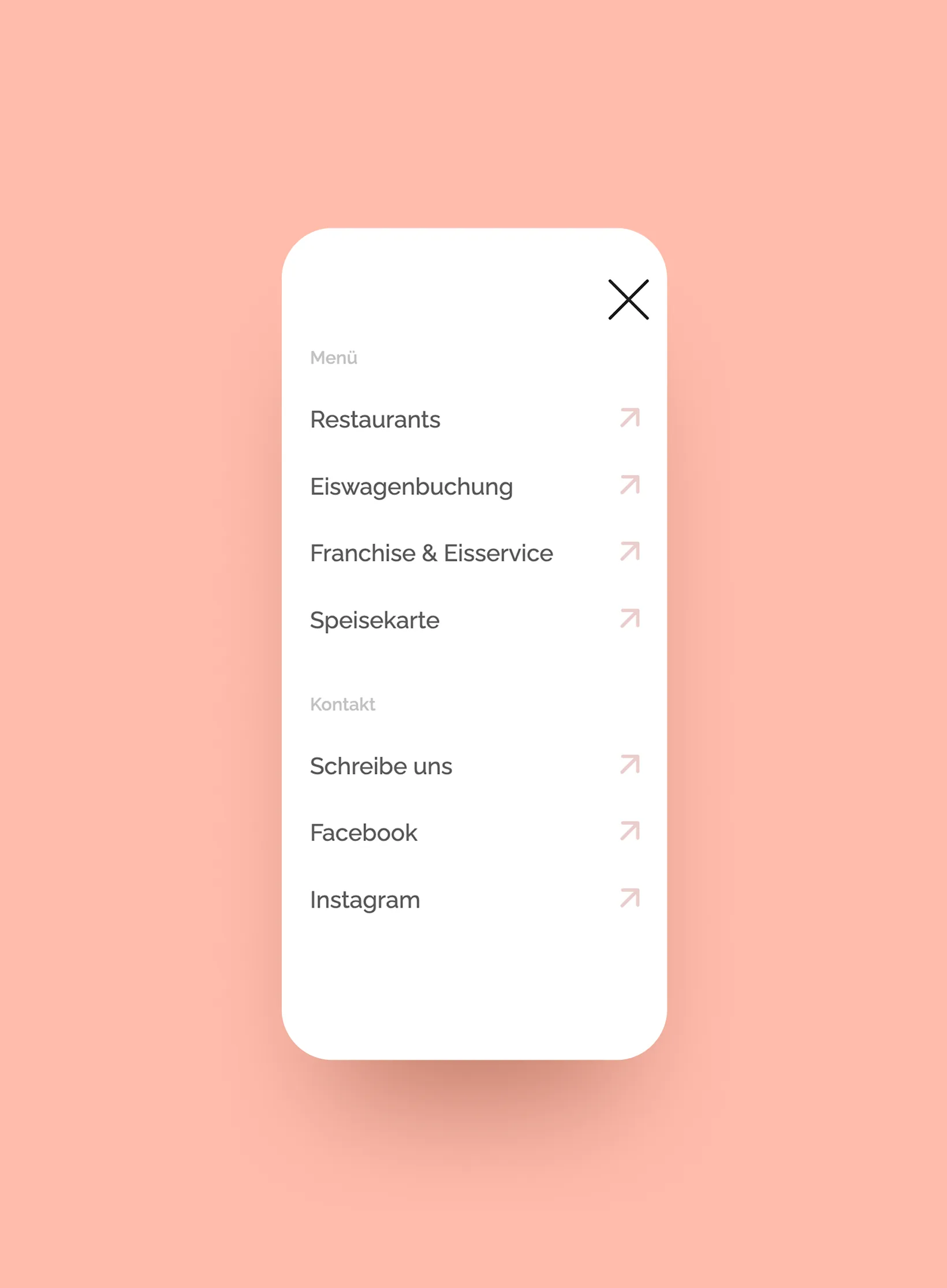
With no official CI guidelines, execution required reverse-engineering the existing physical brand into a cohesive digital ecosystem. To bridge the gap between static design and high-motion concepts for the client, intensive Figma prototypes validated the "vibe" and motion logic via the customer before committing to a single line of code. Subsequent development focused on a GSAP-powered responsive architecture, ensuring high-impact animations survived the jump to a living platform without sacrificing performance.

Oh Well, Fair Point
Tight budget and short timeline forced a strategic shift: prioritizing brand differentiation through motion over traditional, deep-dive research. Skipping the data phase risked certain blind spots in user behavior, but hitting the seasonal peak was the non-negotiable priority. Maintaining a strict MVP roadmap ensured a smooth release and top-tier organic rankings to compete for local search dominance, proving a strong visual foundation can serve as a powerful foundation for future UX iterations.
Sure we’re done yet?
The MVP has evolved from a digital appetizer into the blueprint for a professionalized franchise ecosystem. The next phase focuses on solving the "local vs. global" architectural headache by moving toward a modular CMS. This will empower individual franchise partners to manage localized menus and hours via custom roles while maintaining a unified, global brand entry point. The goal is to scale the digital infrastructure alongside the business, turning the relaunch into a high-performance engine for rapid franchise growth.